
A Closer Look at the Journey from End-of-Life to Reuse
By Brett Henderson, CEO & Co-Founder, SolarPanelRecycling.com
As the first wave of solar panels reaches retirement, the industry is asking a key question: what happens next? For developers, EPCs, sustainability leads, and procurement teams, understanding what comes after a panel’s last day on the job is a must.
SolarPanelRecycling.com (SPR) has developed one of the most advanced full-panel recycling approaches in the U.S. In this post, we’ll explore how the process works, how recovered solar panel materials reenter solar manufacturing supply chains, and why responsible recycling is more important than ever as the solar landscape grows.
Solar Panel Material Recovery: Inside SPR’s True Recycling Approach
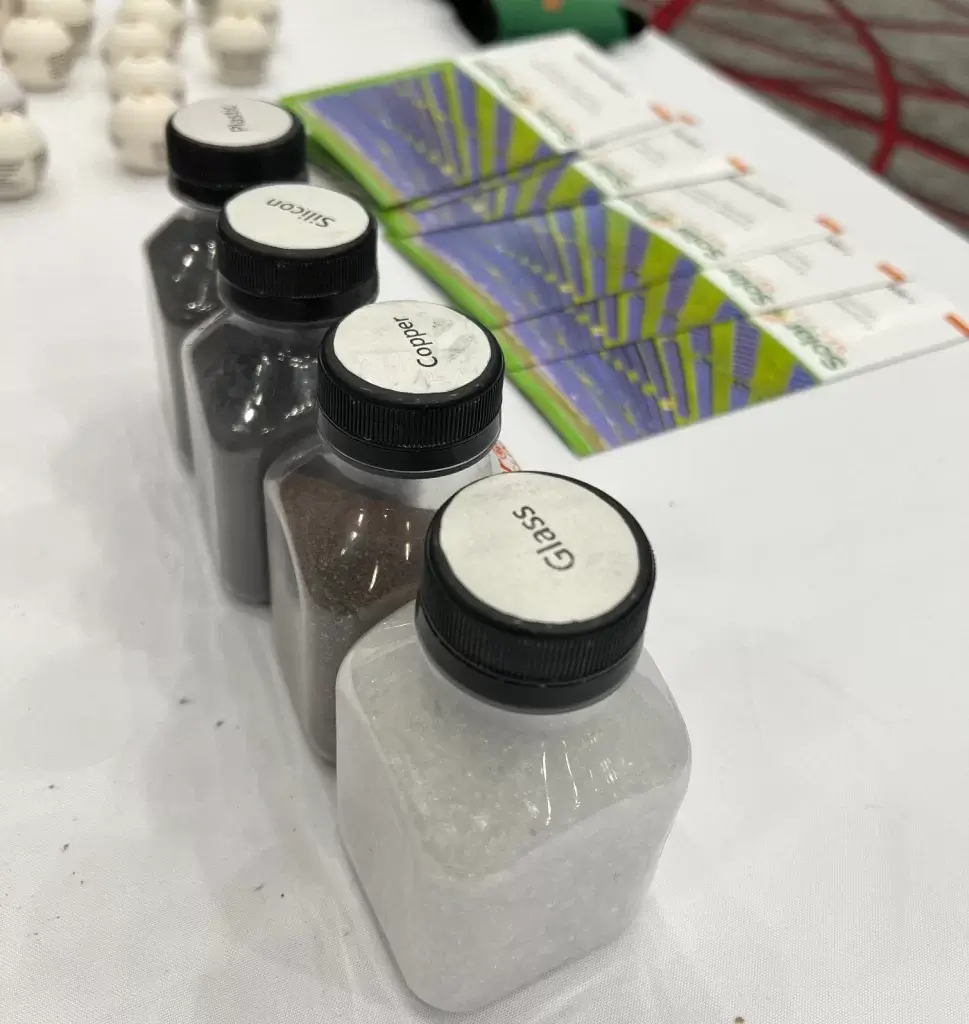
Did you know? Solar panels are primarily composed of glass, aluminum, and silicon cells, which make up about 90% of a crystalline silicon panel’s weight. The remaining materials include smaller amounts of copper, zinc, lead, silver, and tin. Of course, cleanly separating and recovering each of these materials presents unique challenges.
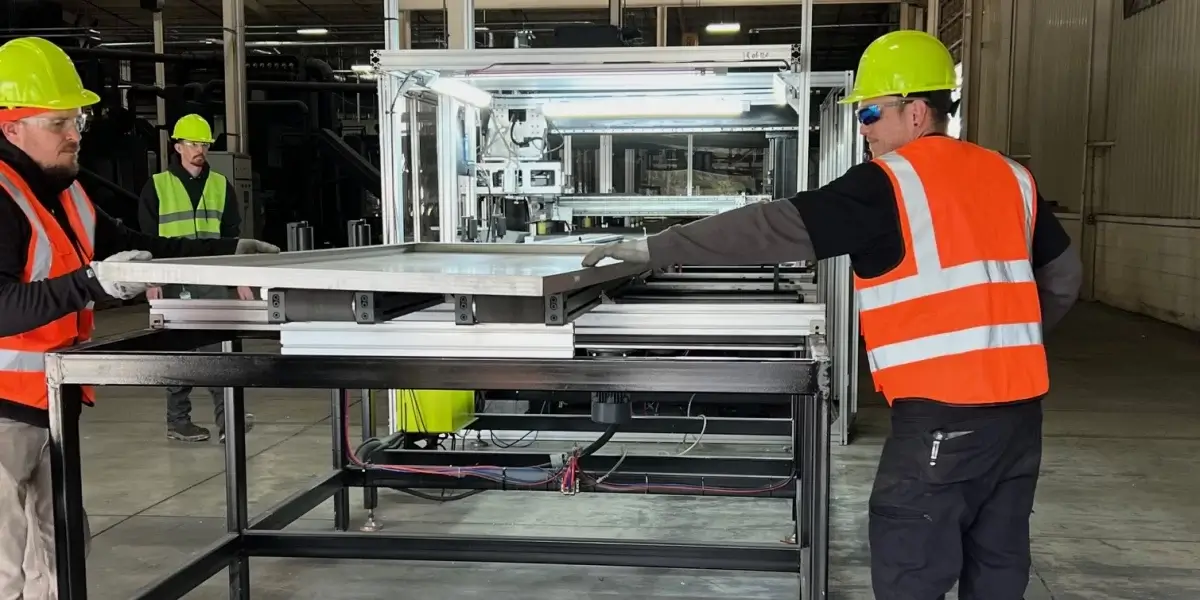
This is where SPR’s true recycling comes into play—removing any and all guesswork from the process. Unlike incomplete and all-too-common methods that co-mingle components and send most of the solar panel material to landfill, our technology achieves clean separation and a material recovery rate of over 95% (we don’t just go after the easy-to-grab components, like aluminum). Meanwhile, our in-house compliance team helps clients navigate ever-changing regulations to meet evolving standards across all 50 states.
On the ground, our experienced crews provide end-to-end support. From panel removal and staging to optimizing truckloads and transportation, SPR handles the details safely, efficiently, and with sustainability in mind. Our logistics planning takes into account panel sizes, site conditions, and material types to ensure compliance at every step.
Closing the Loop: Circular Economy in Action
Once solar panel materials are recovered, SPR puts them back to work. Aluminum, glass, and other high-value components are reintroduced into U.S. manufacturing supply chains, where they can become part of new products and projects across the nation. This approach keeps valuable materials in circulation, reduces the need for new resources, and lowers carbon footprint.
It’s not just about reducing waste and recycling. It’s about ensuring yesterday’s panels support tomorrow’s American infrastructure and generating long-term energy independence by reducing reliance on foreign raw materials and manufacturing.
Why True Recycling Matters
By 2030, an estimated 8 million metric tons of panels will reach end-of-life. Without proper recycling, much of this material could be lost to landfills or shipped overseas, where it may be discarded or handled unsafely. In fact, some recyclers recover only the aluminum, landfilling up to 90% of the panel in the process.
This incomplete approach wastes valuable materials, increases environmental risk, and raises red flags for regulators, stakeholders, and communities. That’s why SPR takes a different path, prioritizing clean material recovery, regulatory compliance, and long-term sustainability.
Industry Momentum is Building. SPR is Ready
As solar deployment scales, policymakers and industry leaders are paying closer attention to what happens at end-of-life. Regulations around solar decommissioning and recycling are advancing rapidly at the local, state, and federal levels.
SPR is not just keeping pace – we’re shaping the conversation. Partnering with SEIA for the nation’s first-ever, residential solar recycling pilot program and a trusted advisor to utility partners and legislators, we help ensure recycling practices evolve alongside the industry. No question: our voice at the policy table helps drive smarter, more sustainable practices, and keeps partners prepared for what’s ahead.
Ready to Recycle Smarter?
Don’t leave your panels’ future to chance. Contact SPR to learn how full-service, responsible recycling can support your project’s compliance, reputation, and bottom line.